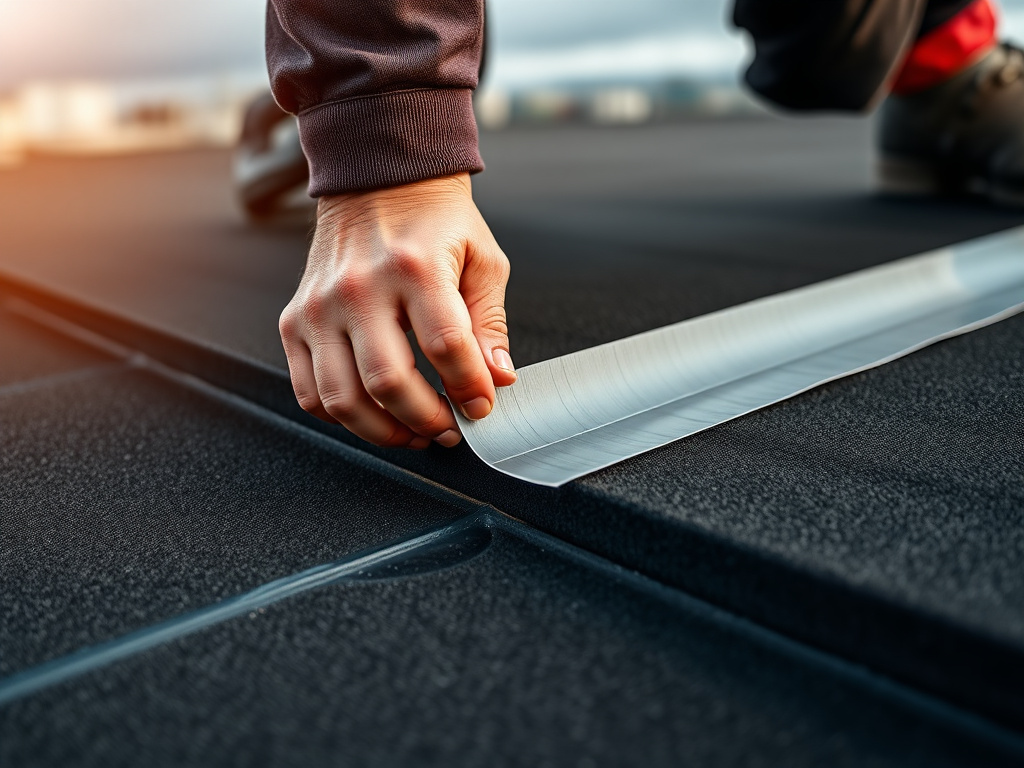
Nationwide EPDM roof repair
Don't Let a Cheap Patch Void Your Roof's Warranty
EPDM rubber roofing has been the standard commercial low-slope membrane since the 1980s and 90s — which means a huge share of EPDM roofs in service today still carry an active manufacturer warranty. We repair the leak using the materials, methods, and documentation your specific warranty requires, so the fix doesn't cost you the warranty coverage you already have.
EPDM, explained
A membrane built for decades — and a warranty built to match
EPDM (ethylene propylene diene monomer) is the black rubber membrane that has covered more commercial, industrial, and institutional low-slope roofs than any other single system since the 1980s and 90s. It's installed as large sheets joined with seam tape or adhesive, mechanically fastened or fully adhered at the perimeter and penetrations, and it has an in-service life measured in decades, not years.
That long service life is exactly why EPDM repair is different from repairing most other building systems. Because EPDM roofs last so long, a large share of the ones needing a repair today were installed under a manufacturer warranty program that is still active — an NDL (no dollar limit) warranty, a system warranty, or a material-only warranty, depending on how the roof was originally specified. Every one of those programs comes with conditions attached to how the roof can be touched after installation.
In practice, most repair calls trace back to the seams — the joints where two sheets of membrane meet, taped or adhered together in the field. Seams are where water finds a way in first, and they're also the detail most sensitive to the repair method used on them. A seam re-taped with an incompatible tape chemistry, or primed with the wrong primer, can fail again within a season even though it looked fine the day it was installed — and depending on the warranty in place, that redo may no longer be the manufacturer's problem to fix.
A repair crew that doesn't know those conditions can't protect them. That's the gap this company exists to close.
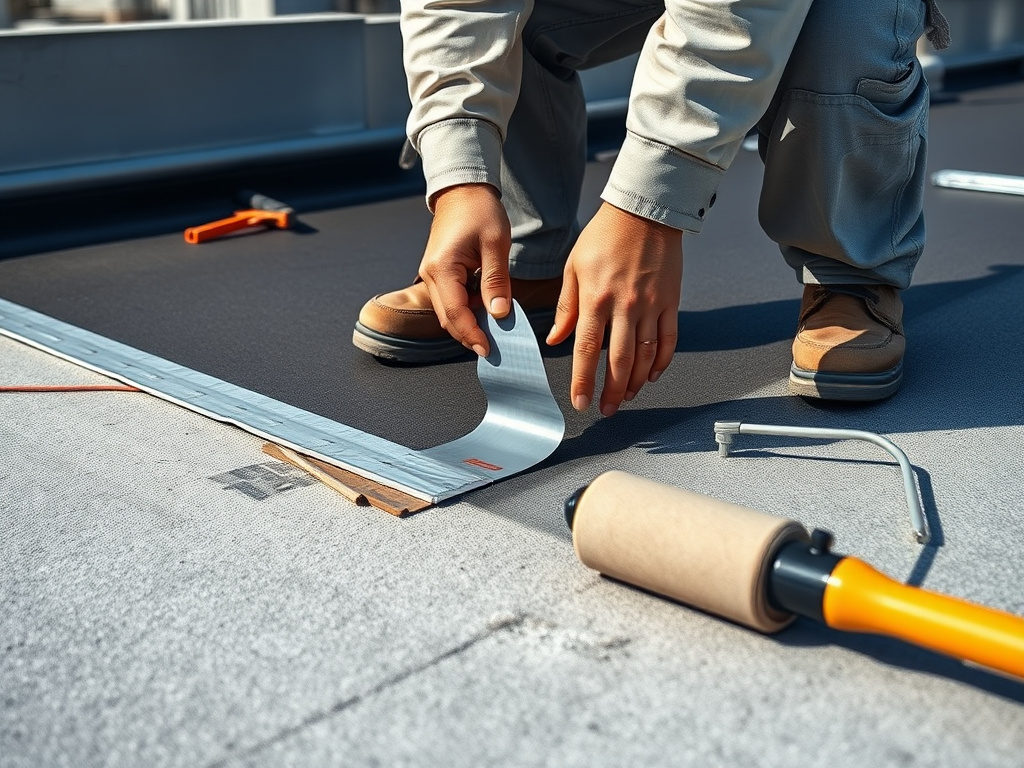

The claim this whole site is built on
The #1 way owners lose their roof's warranty isn't roof failure
The #1 way commercial building owners lose their EPDM roof warranty isn't roof failure — it's an unapproved repair. Manufacturer warranties are conditional. They specify the exact adhesives, primers, and patch systems that can touch the membrane, and many require that any repair be performed, or at minimum inspected and approved, by a certified or authorized contractor.
That means a well-intentioned patch using the wrong material, or a repair performed by a crew that isn't part of the manufacturer's program, can void warranty coverage for the repaired section — and in some cases, for the entire roof. It usually doesn't happen loudly. There's rarely a phone call, a letter, or a warning. The building owner finds out years later, when a bigger problem shows up and a warranty claim gets denied over a patch nobody remembers being a big deal.
None of this requires bad intent on anyone's part. A facilities crew, a handyman, or even a general roofer without EPDM-specific certification can do competent-looking work and still use a patch material that's outside the manufacturer's approved list. The membrane doesn't announce the problem. The warranty file does — usually the one time it actually gets checked, which is exactly when the owner needs it most.
- ✓Wrong adhesive or primer chemistry on a compatible-looking patch
- ✓Repair performed by a crew outside the manufacturer's certified program
- ✓No documentation trail if the manufacturer later questions the repair
What most owners don't know
Most owners don't know what their own warranty requires
Ask most building owners or property managers what their roof's manufacturer warranty actually covers, or what it requires of a repair, and the honest answer is usually “I'm not sure.” That's not a knowledge gap unique to any one owner — it's structural. Warranty paperwork routinely goes missing across property management turnover, building refinances, and portfolio sales. The roof stays the same. The people who know what's on file about it don't.
So before we recommend a repair method, our first move on any job is confirming what warranty is actually in place and what it requires — not guessing, and not defaulting to whatever patch kit is fastest. That can mean pulling existing paperwork, reading membrane and adhesive markings to identify the manufacturer and installation era, or contacting the manufacturer directly to confirm status and terms. Only after that step do we scope the repair.
This matters most exactly when it's hardest to do — on a property that has changed hands. A building bought out of a portfolio sale, a facility inherited by a new property management company mid-lease, or a roof installed by a general contractor who is long gone all share the same problem: nobody currently responsible for the building was there when the warranty was issued. We treat rebuilding that record as part of the repair, not a separate favor.
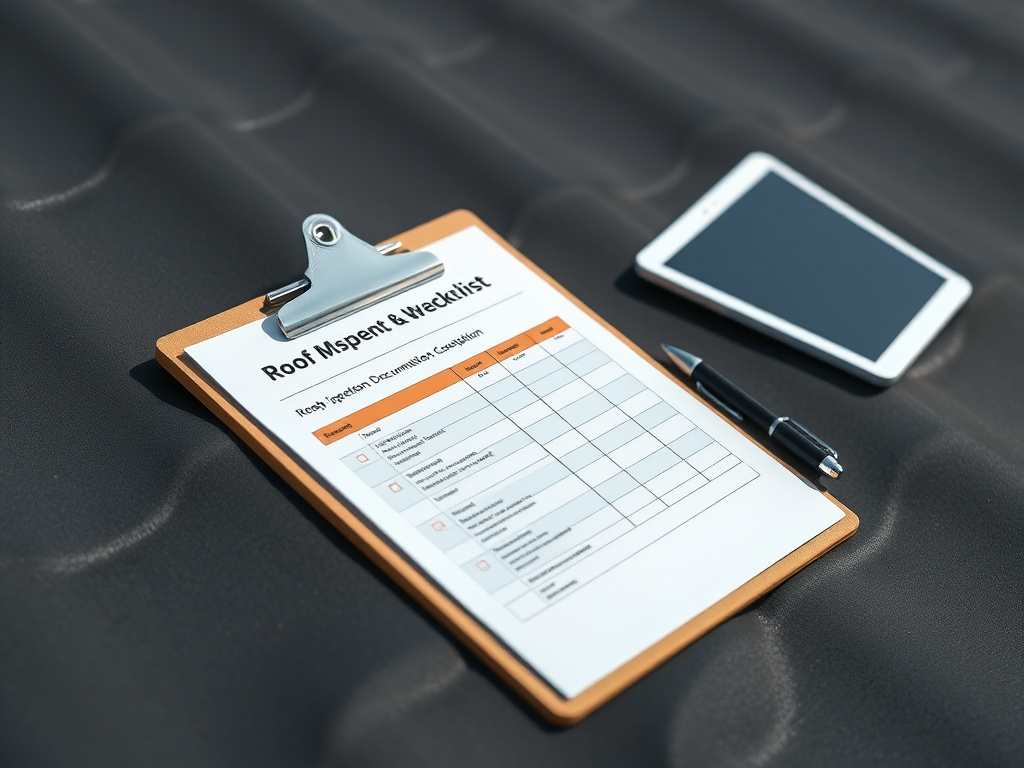
Services
Repairs organized by technique, not just a leak location
EPDM Seam Splicing & Tape Systems
Manufacturer-approved seam tape and splicing methods that restore the membrane's original seam integrity.
Explore this service →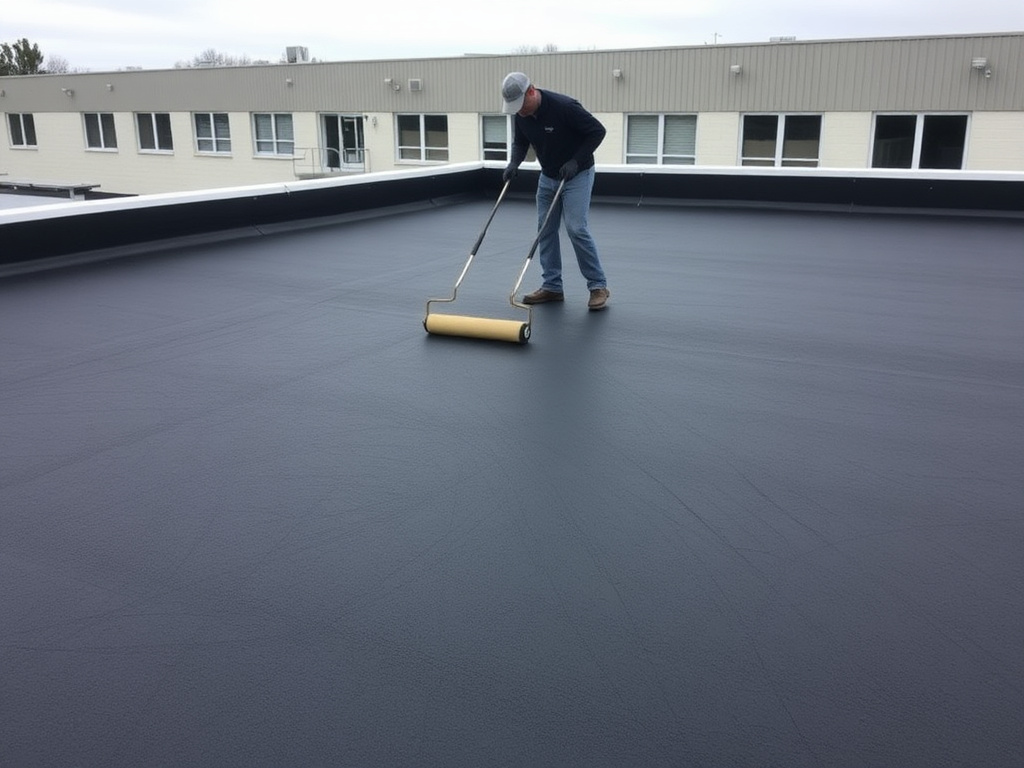
Liquid-Applied EPDM Restoration Systems
Liquid rubber restoration coatings compatible with existing manufacturer warranties, extending membrane life without a tear-off.
Explore this service →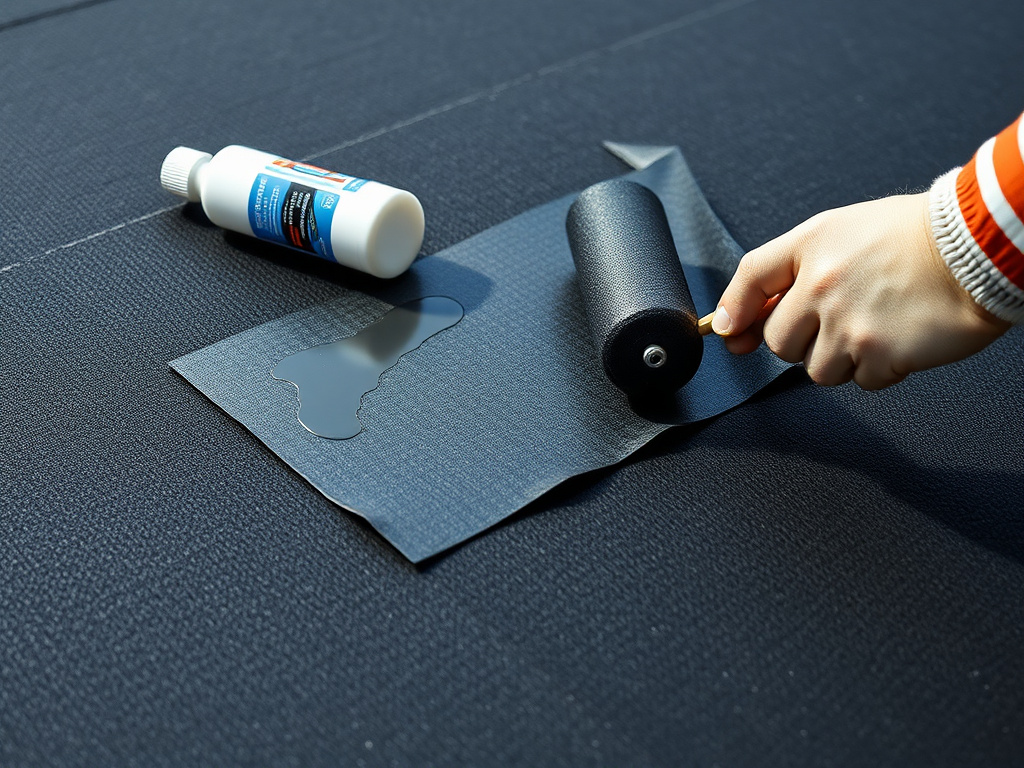
Warranty-Compliant Patch & Repair Materials
Patch systems matched to your roof's specific manufacturer and warranty terms — not a generic universal patch.
Explore this service →
Manufacturer-Certified Repair Programs
Repair work performed to the documentation and material standards major EPDM manufacturers require to keep a warranty active.
Explore this service →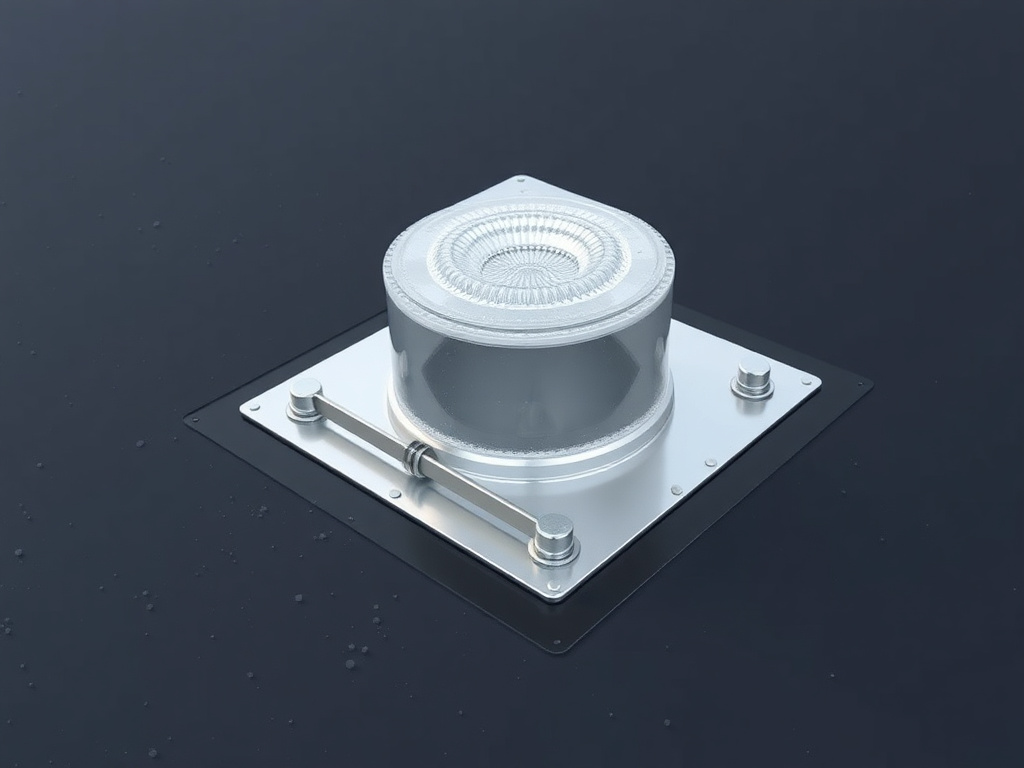
Mechanically-Fastened Detail & Flashing Repair
Parapet, curb, drain, and penetration detail repair using the fastening and flashing methods your warranty specifies.
Explore this service →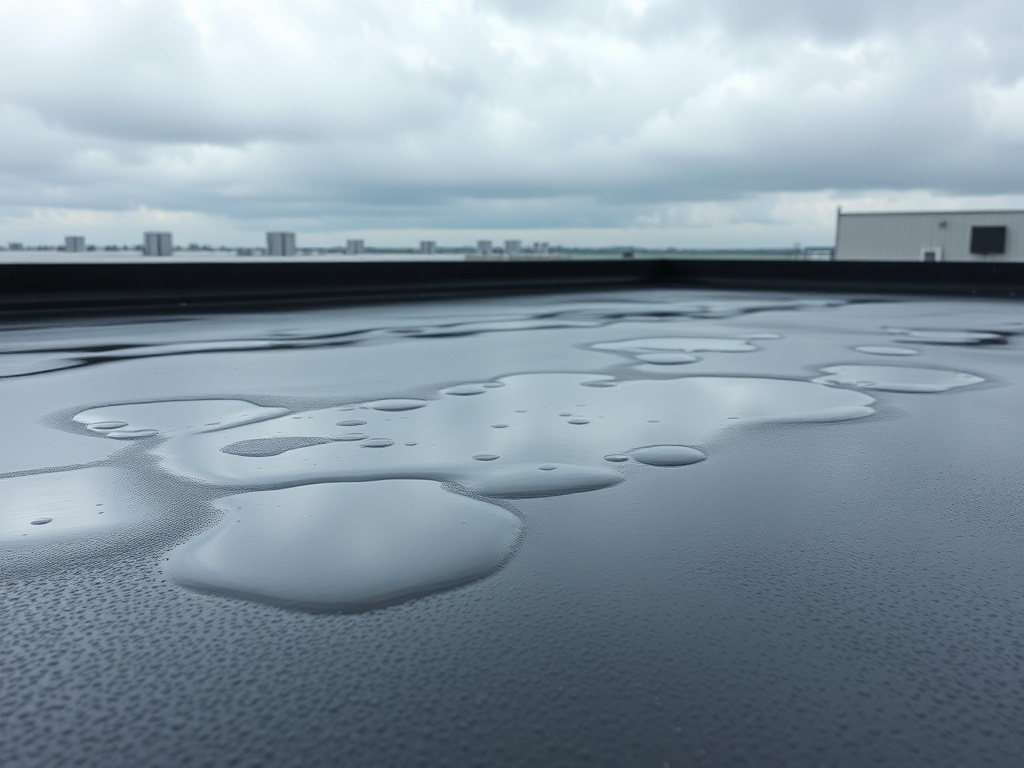
Ponding Water & Drainage Correction
Drainage correction that addresses ponding without triggering a manufacturer warranty exclusion for standing water.
Explore this service →
Emergency Leak Response (Warranty-Safe)
Rapid temporary and permanent repairs that stop an active leak without using materials that would void your existing warranty.
Explore this service →Roof Asset & Warranty Documentation Programs
Ongoing inspection and repair records that keep your roof's warranty file complete and defensible.
Explore this service →How a job runs
Warranty confirmed before a single patch goes down
Confirm manufacturer & warranty
We identify the roof's manufacturer and warranty tier — NDL, system, or material — from existing paperwork or membrane markings before recommending anything.
Verify certification requirements
We confirm whether the applicable warranty requires a certified or authorized installer, and what materials and methods it allows for a repair.
Manufacturer-approved repair
The repair is performed with the adhesives, primers, and patch or splice systems the manufacturer's program specifies for that membrane and warranty tier.
Documentation delivered
You receive material lot numbers, installer records, and inspection notes to add to your roof's warranty file — proof the repair was compliant, not just done.
Manufacturer compatibility
Familiar with the programs major EPDM manufacturers actually run
EPDM warranty programs aren't one-size-fits-all, and a repair method that's fine under one manufacturer's program can be exactly what voids another. We work across the major EPDM manufacturer lines — including Firestone/Elevate, Carlisle SynTec, Johns Manville, and GenFlex — and structure every repair to the documentation and material standards that specific program requires to keep a warranty active.
In general terms, this means matching adhesive and primer chemistry to what the original installation used, confirming whether the applicable program requires a certified installer for the type of repair involved, and generating the paperwork format that manufacturer expects to see if a warranty question ever comes up down the line. The specifics shift from one manufacturer's program to the next — the discipline of checking first doesn't.
- ✓Firestone / Elevate program familiarity
- ✓Carlisle SynTec program familiarity
- ✓Johns Manville program familiarity
- ✓GenFlex program familiarity
Who we serve
Nationwide, across every property type that carries EPDM
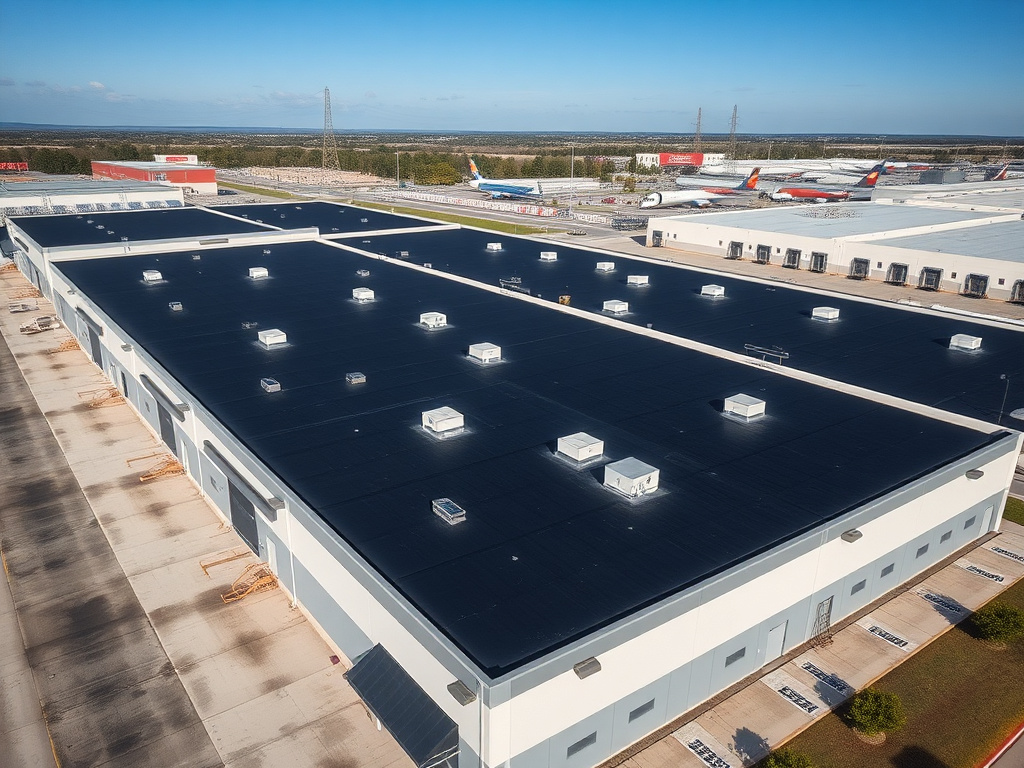
We work with property managers, facility managers, and general contractors across Commercial, Industrial & Warehouse, Institutional, Multifamily properties nationwide. Each carries its own warranty and portfolio realities — a single-building HOA warranty problem looks nothing like a national retail chain's portfolio-wide program, even when the membrane is the same.
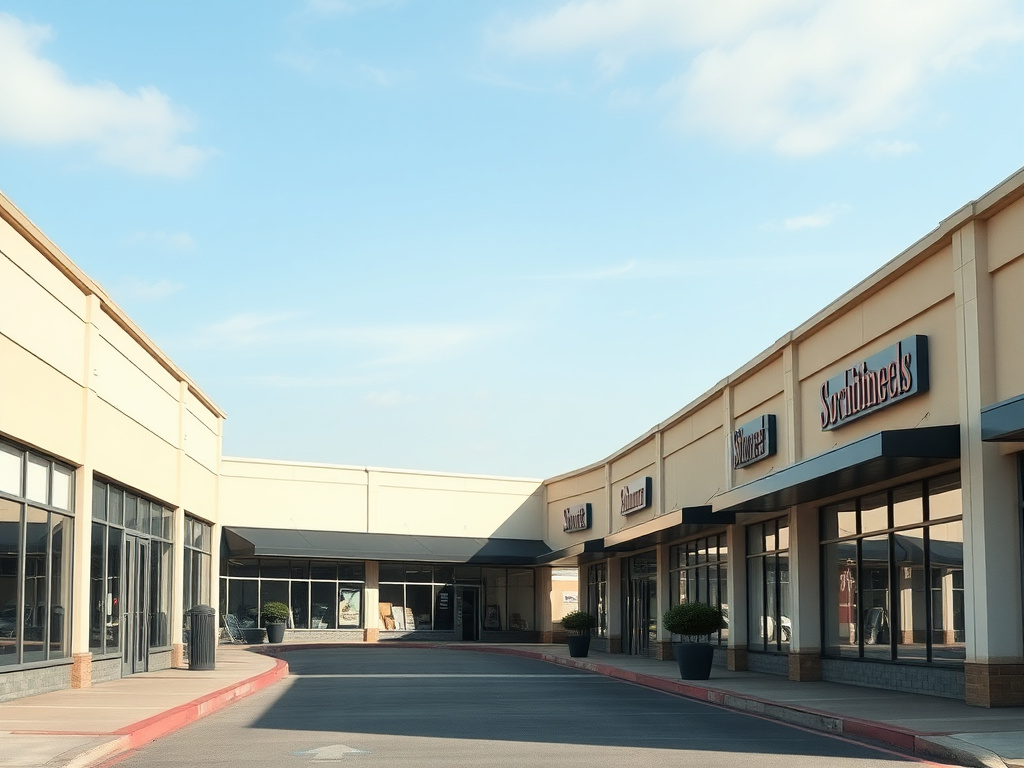 Commercial
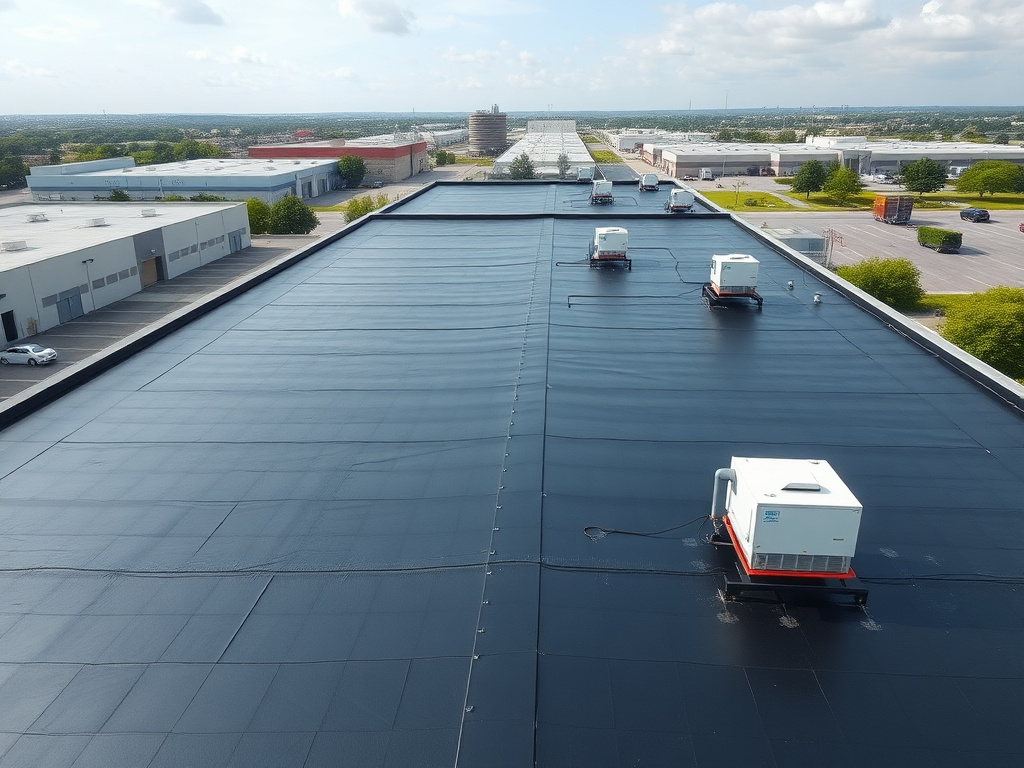 Industrial & Warehouse
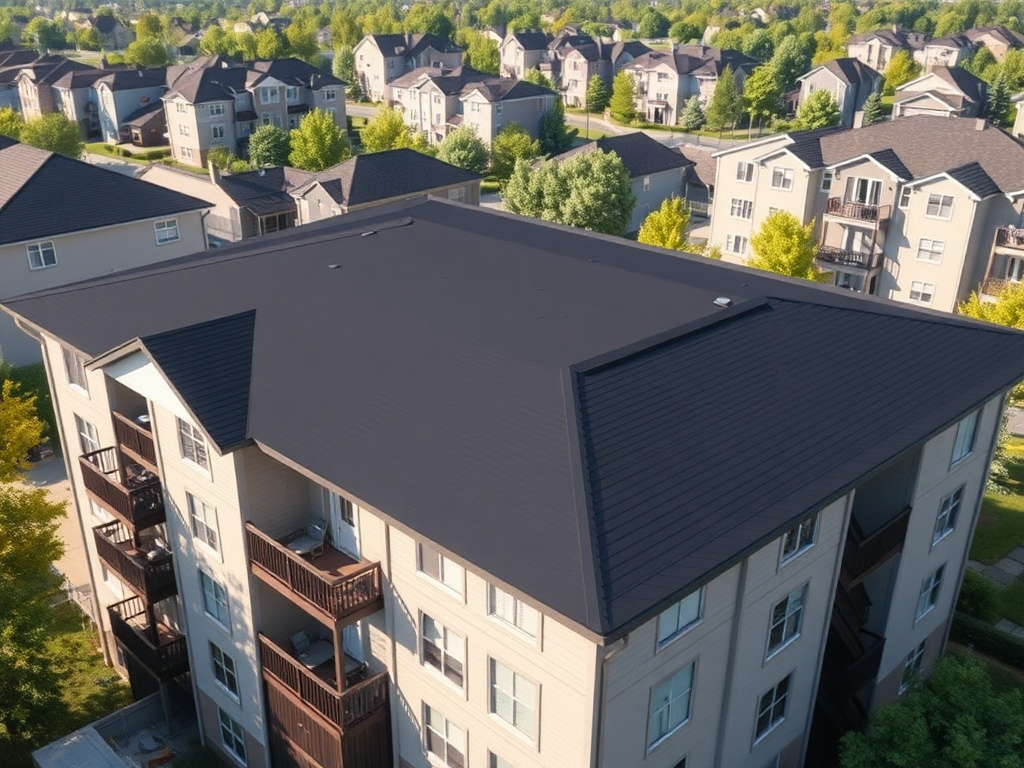 Multifamily
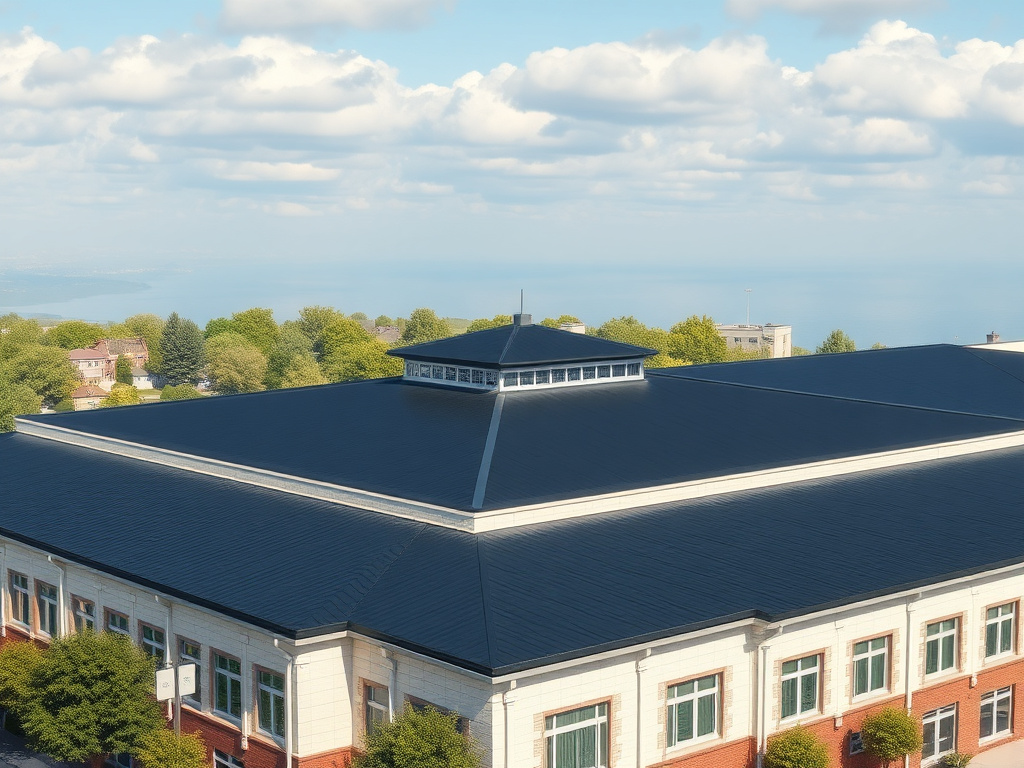 Institutional
Compliant vs. uncertified
What actually separates a compliant repair from a DIY patch
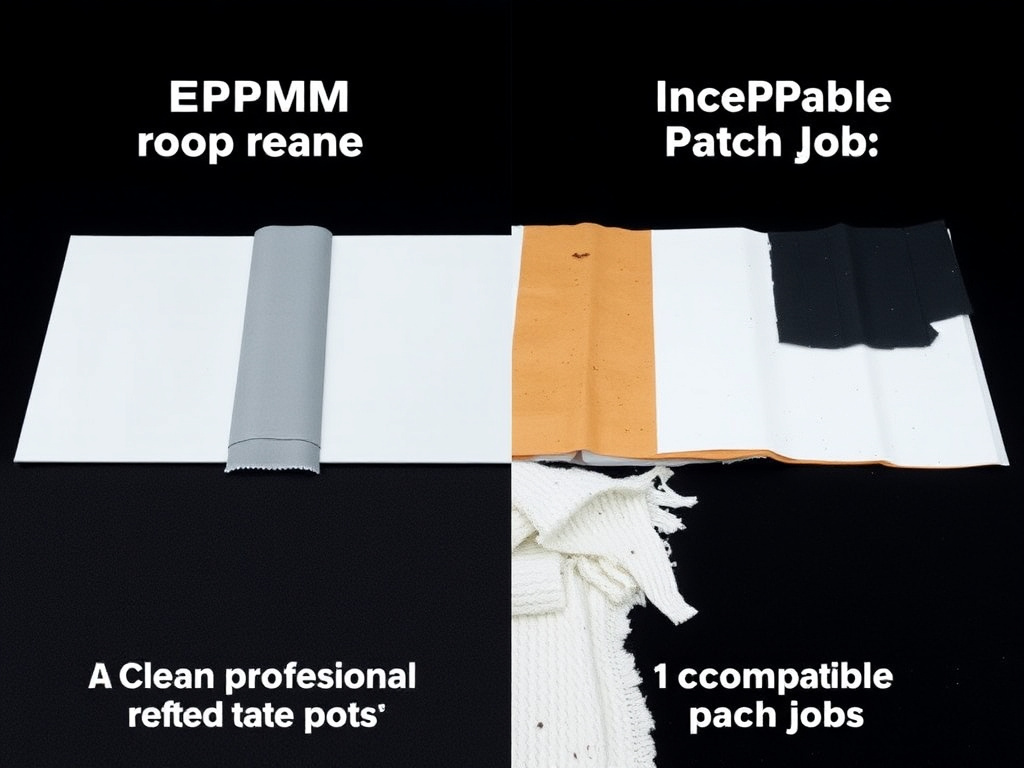
Side by side, a manufacturer-approved repair and an uncertified DIY patch can look almost identical the day the work is finished. The difference shows up later — in whether the manufacturer honors a future warranty claim, and in whether the documentation exists to prove the repair was ever compliant in the first place.
Cost is usually the argument for the uncertified route, and in the short term it can be cheaper. What that comparison leaves out is what a voided warranty actually costs later — a full membrane replacement with no manufacturer backing, weighed against the modest extra cost of doing the repair right the first time. Our comparison page walks through that math directly, line by line.
FAQ
Questions owners ask before their first inspection
Will a repair from an uncertified crew really void my EPDM warranty?
+
It can — and often does, without anyone telling the building owner. Most EPDM manufacturer warranties specify approved adhesives, primers, and patch systems, and many require the repair to be performed or inspected by a certified, authorized contractor. A patch made with the wrong material, or installed by a crew outside that program, can void warranty coverage for the repaired section, and in some cases for the roof as a whole.
I don't have my roof's warranty paperwork. Can you still help?
+
Yes — this comes up on most jobs, not just a few. Warranty documents get lost across property management turnover, refinances, and portfolio sales. We can often identify the manufacturer and warranty tier from membrane and adhesive markings, seam construction, and installation-era details, then confirm status directly with the manufacturer before we recommend a repair method.
Do you work with a specific EPDM manufacturer, or across all of them?
+
We work across the major EPDM manufacturer lines, including Firestone/Elevate, Carlisle SynTec, Johns Manville, and GenFlex. Each maintains its own approved materials, installer requirements, and warranty documentation standards, so the right repair method depends on which one is on your roof.
What if a previous contractor already made a non-compliant repair?
+
We'll tell you plainly what that means for your warranty rather than pretend it didn't happen. In many cases a manufacturer can still honor the roof's broader warranty once a non-compliant section is corrected with approved materials and properly documented — but that determination has to come from the manufacturer, not from guesswork. Sorting that out is part of the job, not an extra.
From the blog
How EPDM warranties actually work, in plain language
Our flagship guide walks through how NDL, system, and material-only warranties differ, what voids each one, and how to reconstruct a warranty file when the original paperwork is gone. It's the same material we use internally to scope a compliant repair, written for building owners rather than roofers.
The blog also covers narrower questions we get on real jobs — how to read the markings on an unlabeled membrane, what a manufacturer typically asks for before approving a repair under an existing program, and how patch materials differ across a roof's expected remaining service life.
Read the warranty mechanics guide →Get a free warranty-safe roof inspection
Tell us about your roof and its manufacturer. We'll come back with a scoped, itemized repair plan that keeps your warranty intact — no obligation.